
I have played sports my entire life. I still do. I love to compete, it’s in my DNA.
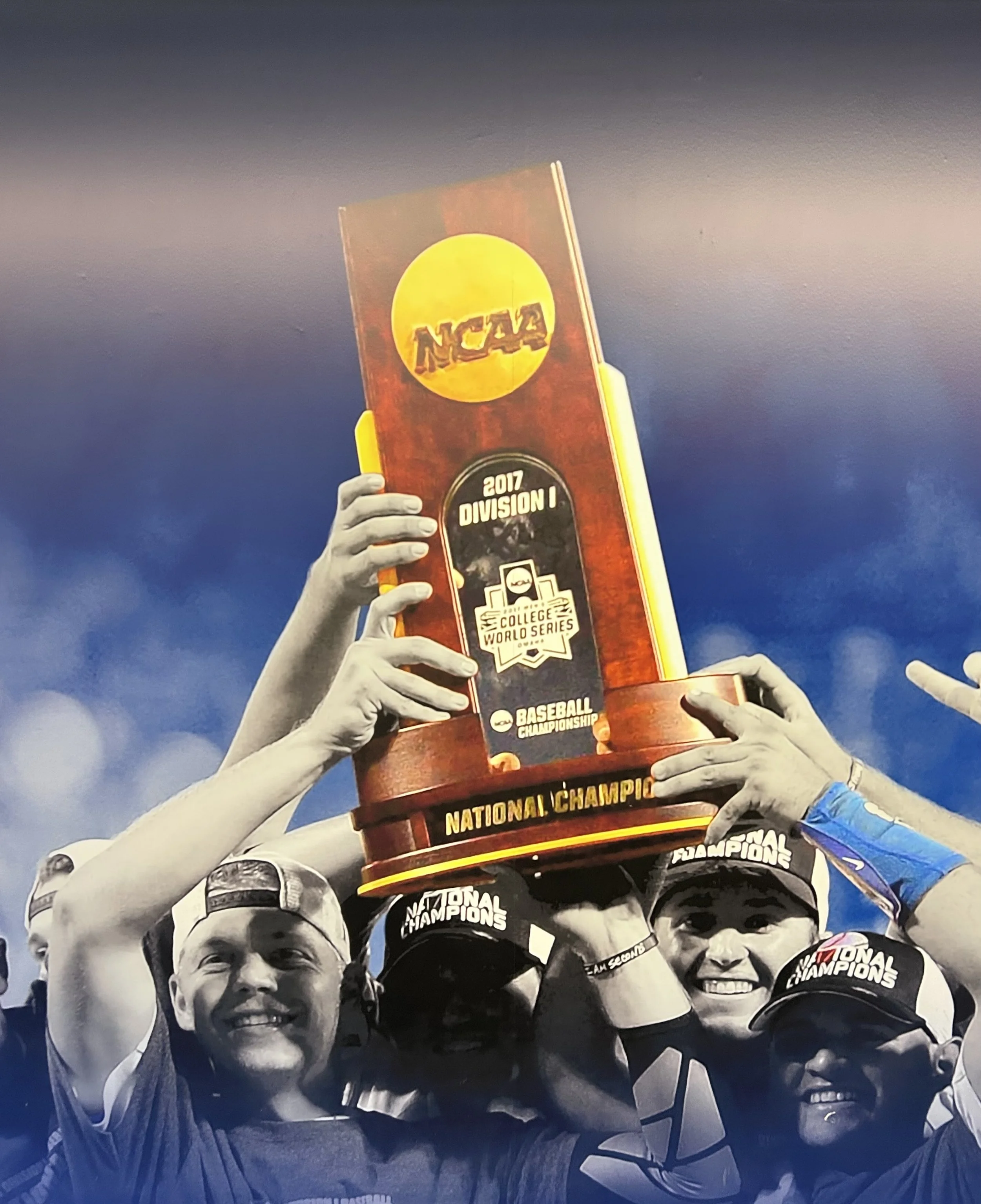
I grew up as the son of a former Major League pitcher and a teacher. They taught me discipline and work ethic before I ever understood their value. That foundation carried me to the University of Florida, where I became the first team captain in program history and part of the program’s first National Championship team in 2017.
After my freshman season, I was projected by many to be the number one overall pick in the MLB Draft. The expectations rose quickly. So did the pressure. Instead of staying present, I tried to recreate the past. I pressed. I forced outcomes. I folded under the weight of external expectations and my own need for validation.
Over the next several years, I battled anxiety, depression, nagging injuries, season-ending setbacks, demotions, and rejection. I moved through five seasons in professional baseball with the Oakland Athletics organization, reaching Triple-A while, at times, barely holding myself together internally. From the outside, it looked steady. Internally, something deeper was being formed.
Sport revealed something to me. The game itself had not changed. I was the one changing it. On one hand, it was just a game, the same one I grew up loving. On the other hand, it exposed my insecurities, ego, and fear while teaching me resilience, leadership, and faith. It forced me to confront who I was when performance was no longer protecting me.
In 2024, I stepped away from professional baseball to pursue a Master’s degree in Sport, Exercise, and Performance Psychology at Barry University and certification as a Certified Mental Performance Consultant® (CMPC) through the Association for Applied Sport Psychology (AASP). I made that decision because I believe athletes deserve better tools and better guidance than simply chasing NIL money, contracts, rankings, highlights, followers, or validation. The world pulls us toward seeking achievement and approval. The essence of performance calls us to seek love, joy, peace, patience, kindness, goodness, faithfulness, gentleness, and self-control (Galatians 5:22–23).
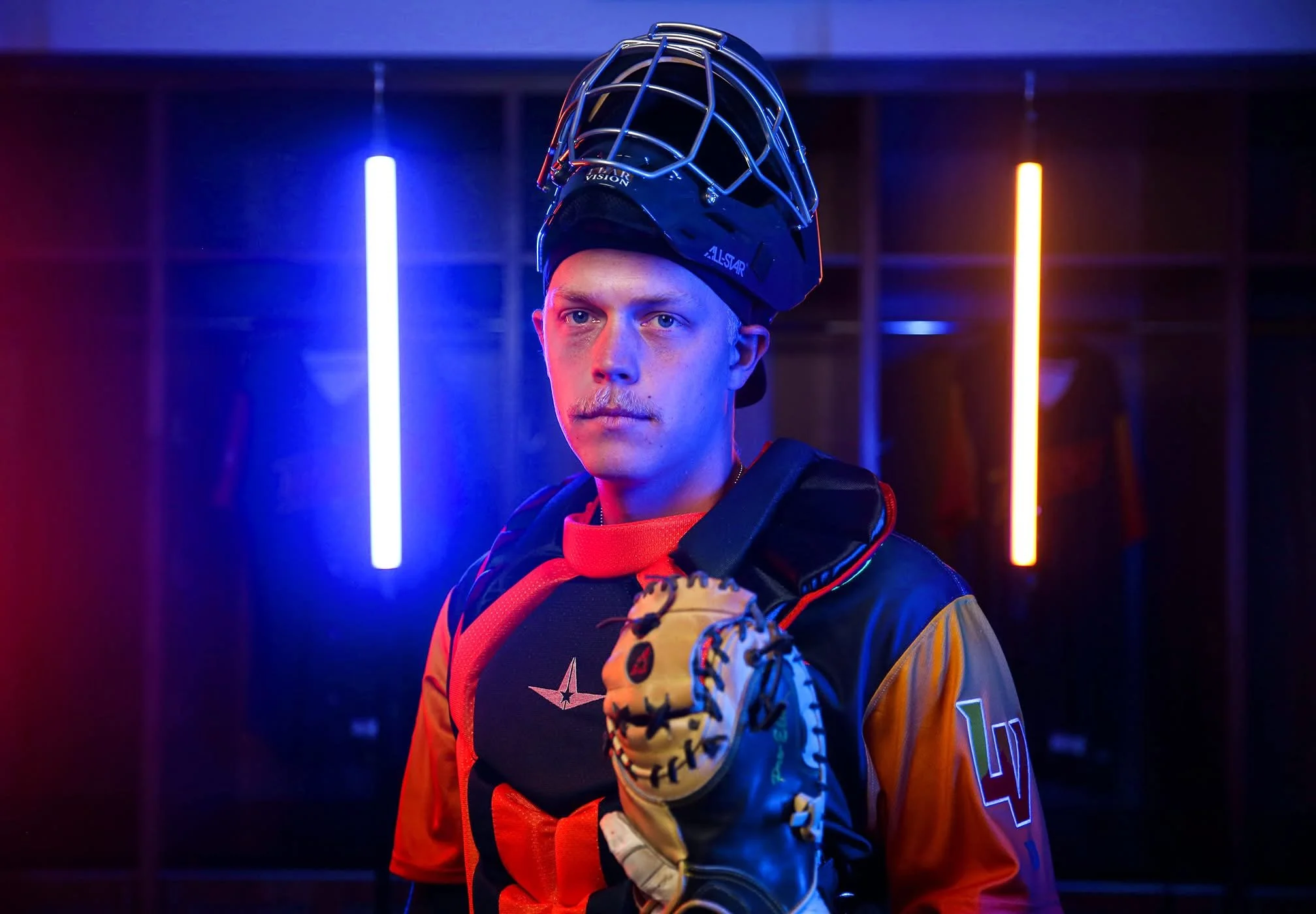
As a catcher and captain, I learned to lead from the back. To steady others under pressure. To put the team above myself. Today, my person-centered and cognitive-behavioral approach centers on helping athletes build identity beyond performance, develop awareness in the present moment, and compete with courage.
Faith. Mindfulness. Resilience.
My faith in Jesus anchored me when performance could not. It reminded me that self worth should not have to be earned and should not be taken away with poor performance. Sport taught me character. Faith taught me freedom. Mindfulness taught me presence. Resilience taught me discipline.
Together, they shape how I coach.
My sport was just a game.
But it was never just a game.
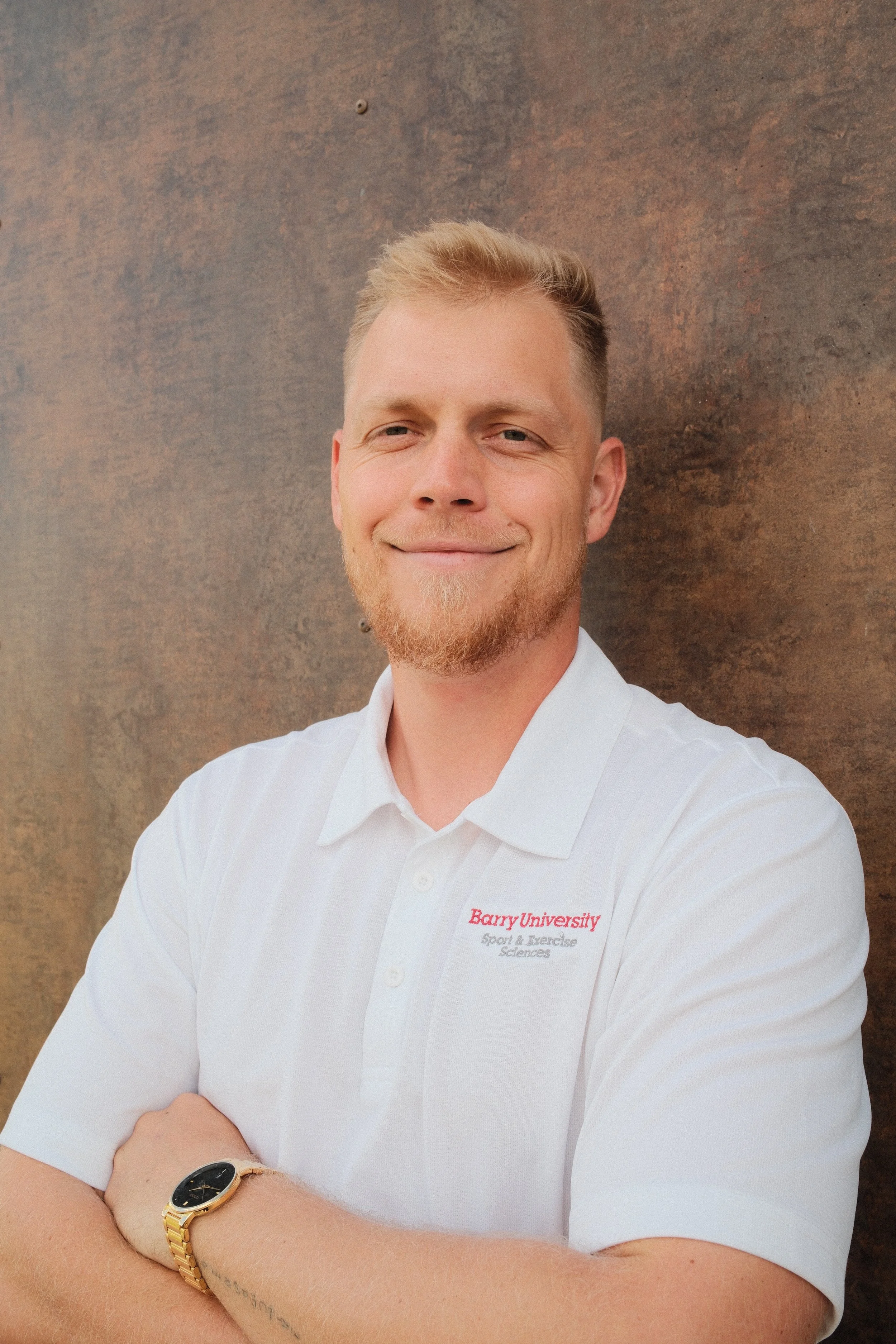
JJ Schwarz, MS, CMPC Candidate


Just A Game Core Values
-
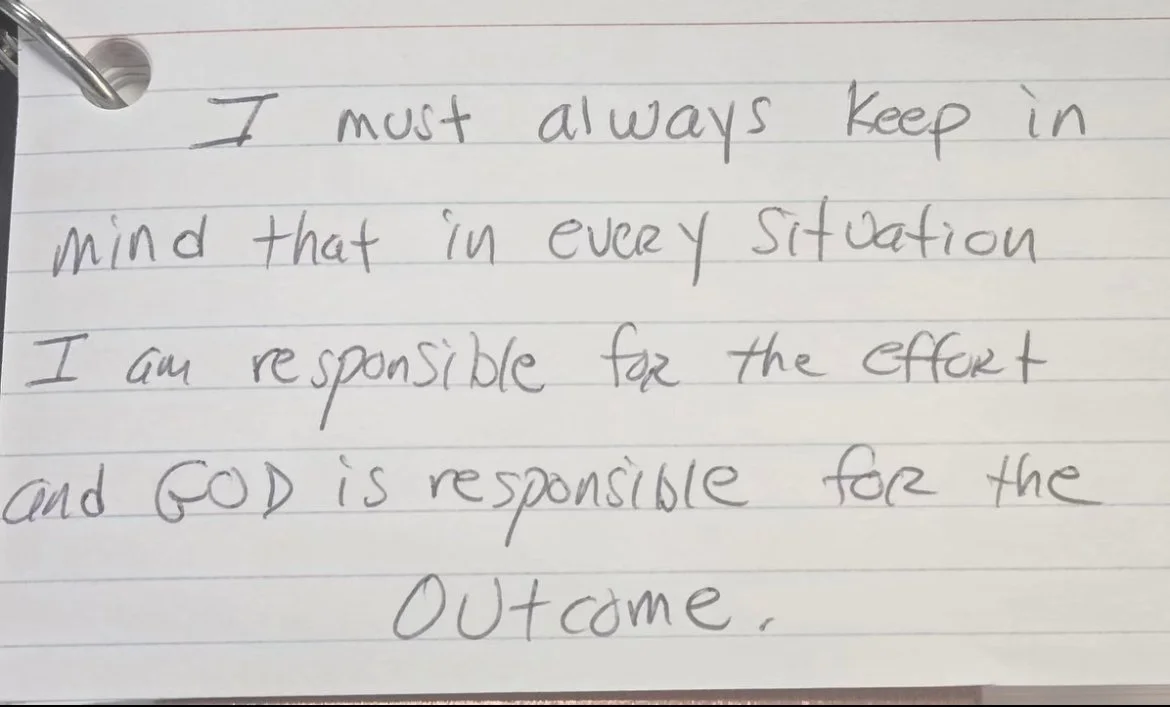
My consulting utilizes a Faith-Integration Framework to help athletes transition from performance-based worth to a secure identity. By anchoring identity before achievement, the athlete can move from competing for victory into competing from victory.
When an athlete’s identity is secure, performance becomes an expression of who you are, not a definition of it.
-
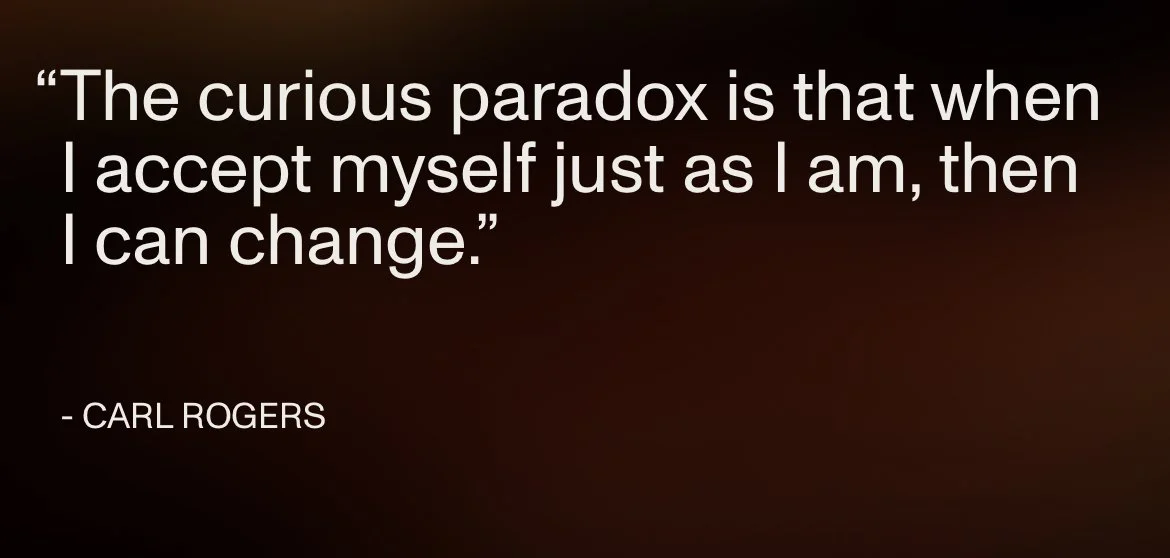
My approach integrates Cognitive Behavioral (CBT) and Acceptance-Based Strategies to train the mind to notice distraction without being controlled by it. I emphasize awareness over avoidance and acceptance over suppression.
Through meditation, visualization, and attentional control, athletes can learn to label thoughts, observe pressure, and surrender to the outcome. We do not silence the mind; we steady the athlete within it.
-
True mental toughness is the ability to hear doubt or fear without being controlled by it. By moving from impulsive reactions to deliberate responses, athletes can be able to embrace discomfort as a requirement for growth rather than a reason for retreat.
When failure becomes feedback, reflection replaces judgement. By detaching identity from outcomes, athletes can gain the clarity to persist, adjust, and grow—regardless of the circumstances.
My Mental Models
“The mind is a powerful servant, but a dangerous master.”
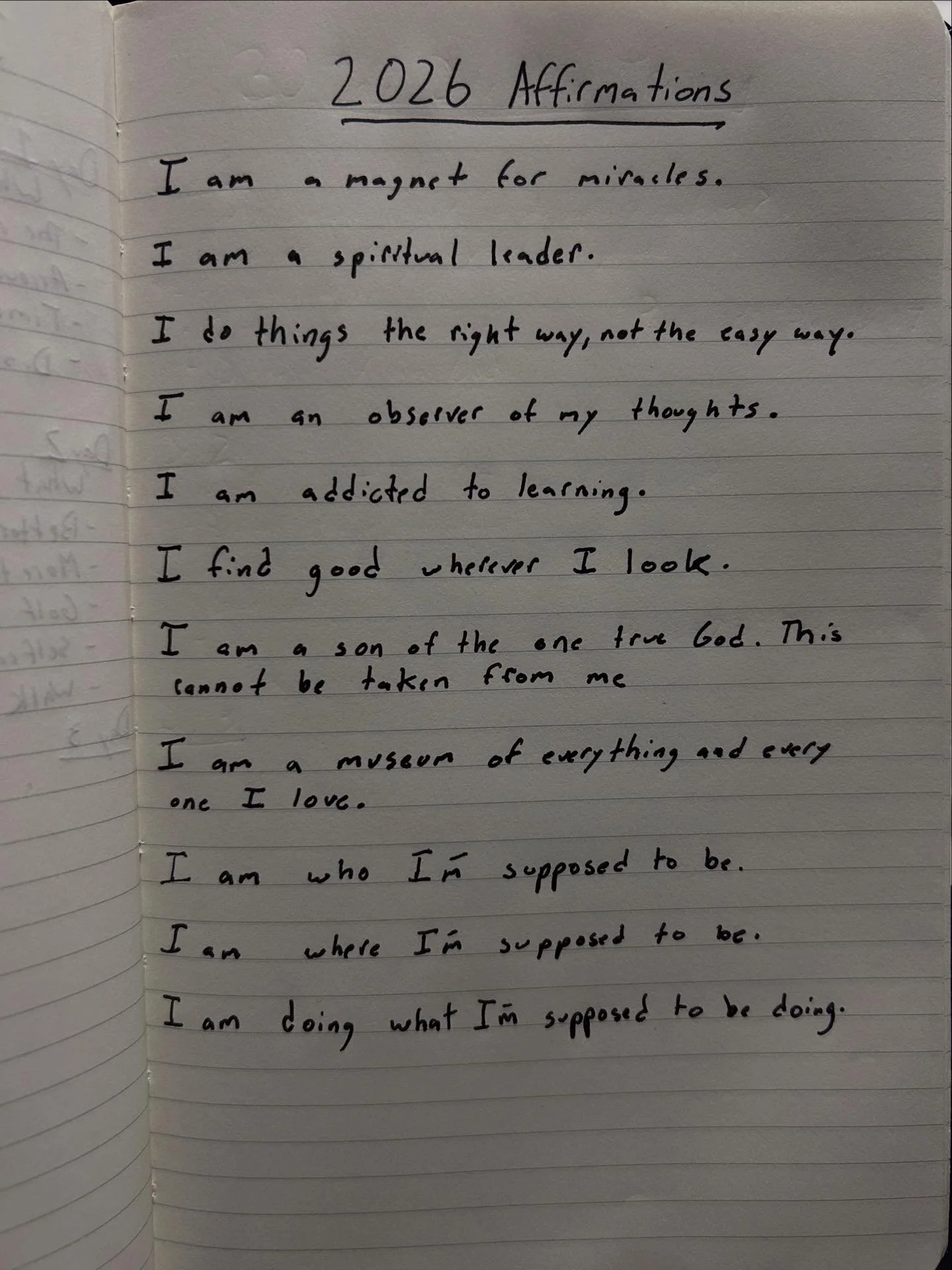
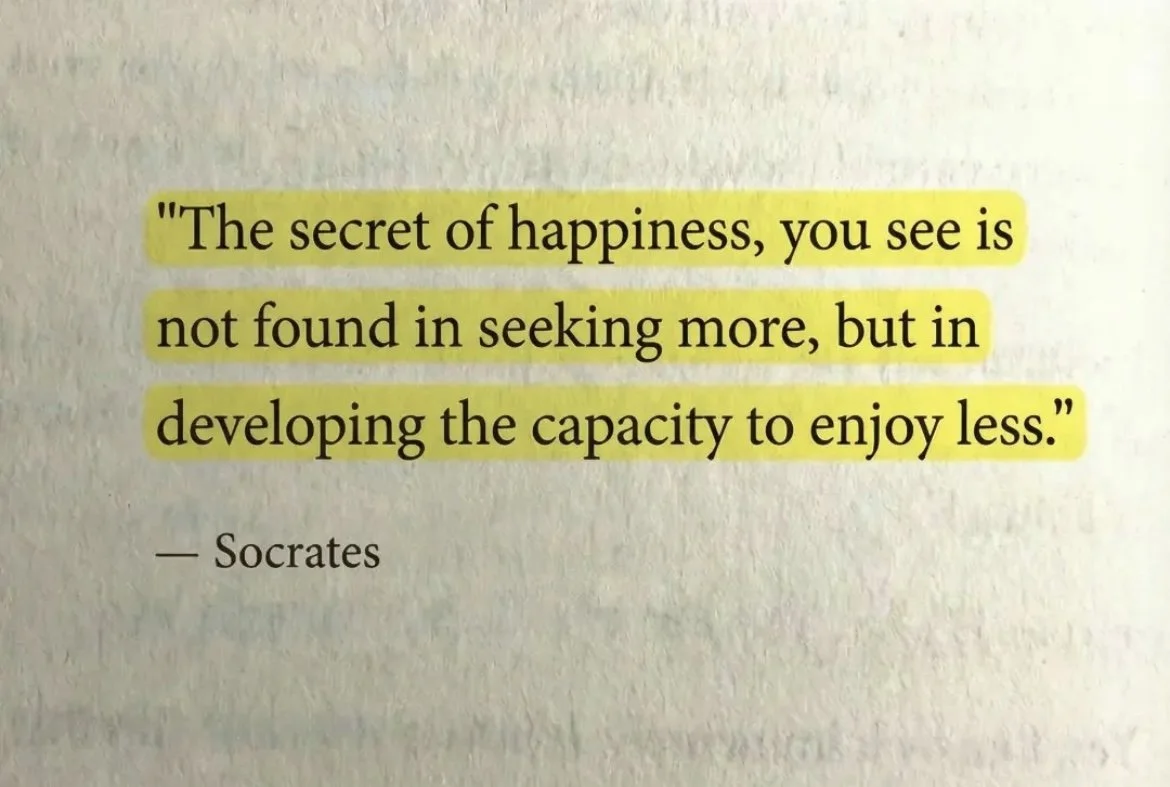
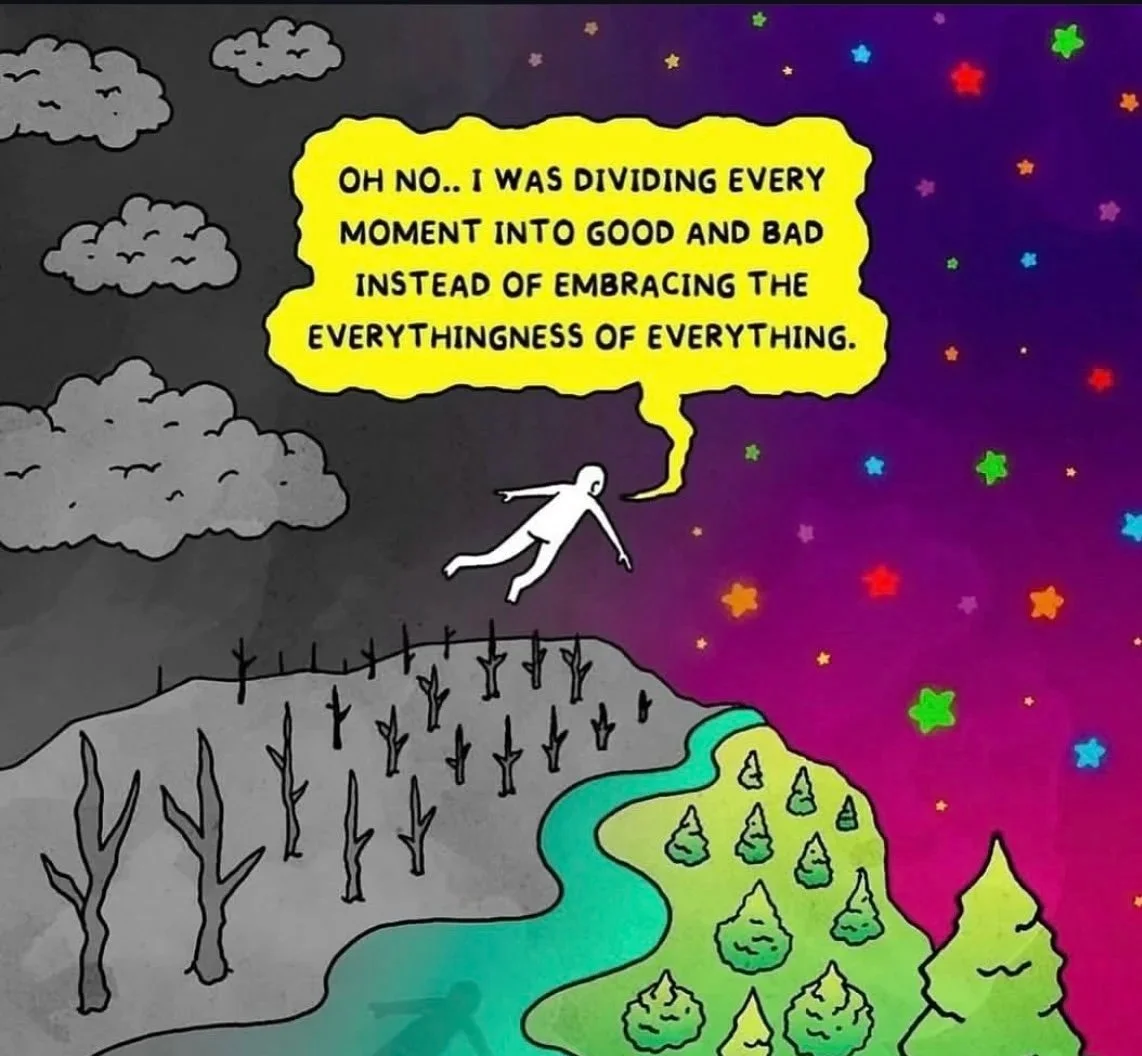
These mental models are the philosophies and perspectives that fuel my creative and spiritual energy. I intentionally consume this type of content to stay anchored in my faith and discipline by reminding myself of thought patterns that inspire me. Japanese culture, Roman philosophy, biblical parables, Mother Nature etc., they all serve as the blueprints for a life and a practice where the goal is to experience so that performance can become a raw expression of the self. I encourage all of my athletes to control the type of energy they are consuming.
“Connected to everything, attached to nothing.”



“Mushin no shin”
or
“Mind of no-mind”
This is the Zen expression for a mind not fixed or occupied by thought or emotion and thus open to everything.
I am in awe of the beauty of Japanese culture and their profound attention to detail. To me, there is so much to learn from the way of the samurai. Specifically the pursuit of a mind that is present, yet unattached.















Accredited in North America
Accredited by the National Commission for Certifying Agencies (NCCA), the Certified Mental Performance Consultant® (CMPC) certification program has developed eligibility requirements to ensure professional competence and commitment to continued education.